 Subject Comment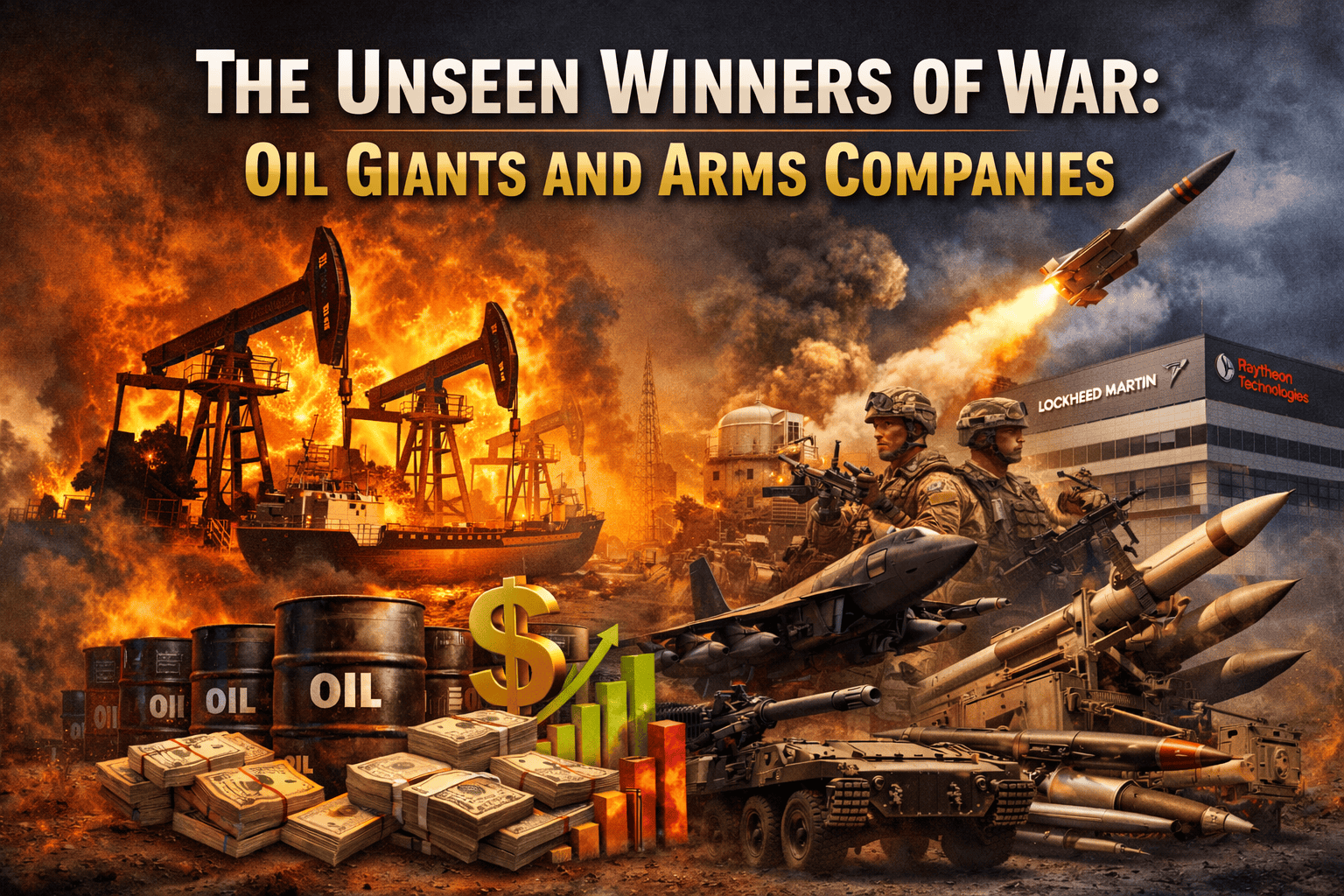
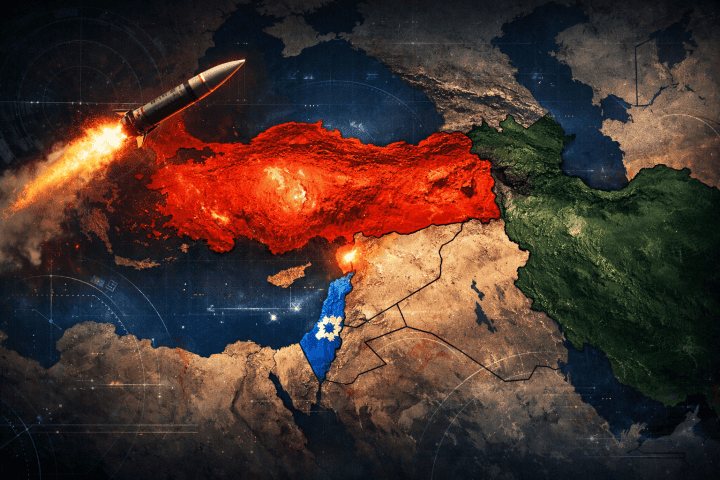
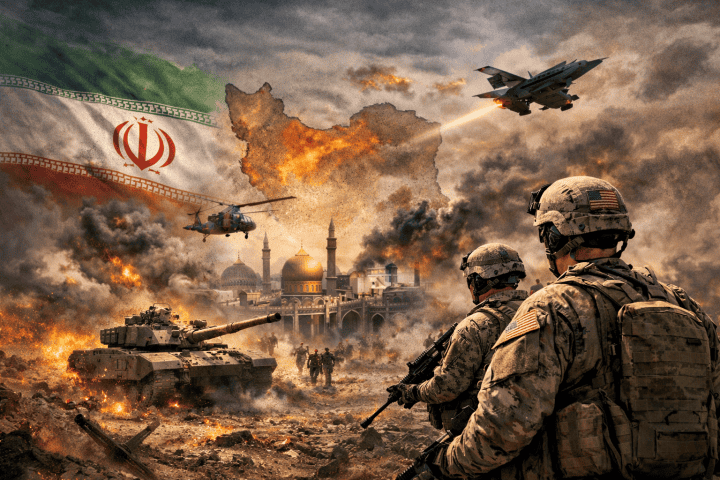
The escalating conflict between the United States, Israel, and Iran is not merely a military confrontation. Behind the missiles, airstrikes, and political rhetoric lies a far larger economic story. Energy routes, oil tankers, defense contracts, and global financial markets are all becoming part of the war’s hidden front.
By the seventh day of the conflict, Brent crude had already surged 5.67 percent to $90.25 per barrel, the highest level since April 2024. Financial markets are reacting not only to the fighting itself but also to what the war might trigger next.

The Genetics of Turkish Foreign Policy
Okumak istersen →The key question is becoming increasingly difficult to ignore:
Are rising oil prices simply a side effect of war, or are they an outcome that some global actors quietly benefit from?
The Strait of Hormuz: A Chokepoint of the Global Economy
At the center of the crisis lies the Strait of Hormuz, one of the most critical energy corridors in the world. Roughly 20 percent of global oil trade, around 20 million barrels per day, passes through this narrow waterway. A significant share of global LNG shipments also travels through the same route.
In recent days, tanker traffic through the strait has slowed dramatically. The threat of naval mines, drones, and missile strikes has forced many tankers to delay passage or alter their routes. Some ships are now traveling around the southern tip of Africa via the Cape of Good Hope, adding nearly two extra weeks to the journey.
This is not merely a logistical inconvenience. It is a shock to the arteries of the global energy system.
Many analysts now believe that if the conflict expands, oil prices could climb to $100–$120 per barrel, pushing inflation higher across the global economy.
The Fragility of Gulf Energy
Energy infrastructure across the Gulf region is also increasingly vulnerable.
-
Iraq has already reported production disruptions of roughly 1.5 million barrels per day.
-
Saudi Arabia and the United Arab Emirates have reduced output at several facilities for security reasons.
Energy-importing regions will feel the pressure most intensely:
-
Europe
-
China
-
India
-
Japan
Natural gas prices in Europe have already risen around 13 percent since the conflict escalated.
Some countries may attempt to offset shortages by turning to alternative suppliers, including Russia. However, such shifts could also reshape geopolitical alignments and deepen global divisions.
In other words, the war is not only redrawing battle lines — it is also redrawing the map of global energy alliances.
The Quiet Winners of War
Every conflict produces its own silent beneficiaries. In this war, the early winners appear to be energy producers and defense contractors.
Energy Companies
Higher oil prices translate directly into higher profits for energy companies.
U.S. shale producers are already preparing to expand output in response to rising prices. Meanwhile, OPEC+ members have the capacity to increase production and capture additional market share.
Major energy firms such as ExxonMobil and Chevron could see revenues rise by 10 to 20 percent if prices remain elevated.
This reality inevitably raises a familiar question in global energy politics:
Are recurring Middle Eastern crises merely accidents of geopolitics, or do they consistently serve the interests of certain sectors of the global economy?
The Defense Industry
The other clear beneficiary of the conflict is the defense sector.
Demand for missile defense systems, drones, surveillance technologies, and advanced weaponry is rising rapidly.
Companies such as:
-
Lockheed Martin
-
Raytheon
-
Boeing
are already seeing renewed investor interest and expanding order books.
Historically, major conflicts have increased defense spending by 10 to 15 percent. If the conflict spreads, regional powers across the Middle East and beyond may accelerate their own arms purchases, further boosting the industry.
The Global Economy Pays the Price
While energy and defense companies may benefit, the broader global economy faces mounting risks.
Rising energy prices quickly feed into inflation, increasing the cost of transportation, heating, electricity, and food.
Economists estimate that sustained oil prices above current levels could:
-
Add 1 to 1.5 percentage points to U.S. inflation
-
Reduce global economic growth by up to 1 percent
Shipping costs have also surged. In some routes, maritime transport prices have already increased 15–20 percent.
Financial markets have reacted sharply. Global stock markets have experienced losses estimated at more than $3 trillion in market value during the early days of the crisis.
Energy-importing economies appear particularly vulnerable. Growth forecasts in Europe are already weakening, while emerging markets such as India face currency pressure and rising inflation.
The Bigger Question
The emerging picture reveals a striking paradox.
As the war intensifies:
-
Oil prices climb
-
Defense budgets expand
-
Energy and weapons companies record higher revenues
At the same time, global economic stability weakens.
This has led some analysts to ask a deeper question:
Are Middle Eastern conflicts simply chaotic geopolitical events, or are they part of a recurring pattern that redistributes wealth and power within the global economic system?
The Critical Variable: Time
Ultimately, the duration of the conflict will determine the scale of its impact.
If the war remains limited and short-lived, markets may stabilize and recover. But if the conflict drags on for months, the consequences could be far more severe:
-
Oil prices above $120
-
Disruptions in global trade
-
Persistent supply chain shocks
-
A potential global recession
In that sense, the battlefield may not only lie in the skies above the Middle East.
A parallel struggle is unfolding across oil markets, financial systems, and global supply chains — a hidden economic war whose winners and losers may ultimately shape the next phase of the world economy.